

The Automatic Call Distribution (ACD) system remains the heartbeat of the contact center.
However, as businesses migrate from legacy hardware to agile environments, many discover that not all “cloud” solutions are created equal.
On the other hand, selecting the best cloud ACD system is about precision, scalability, and data-driven agility. For decision-makers, the challenge lies in filtering out the noise to find a platform that supports growth and consistent CX.
This guide breaks down the five essential capabilities that truly differentiate a high-performing cloud contact center ACD from the rest.
Happy Reading.
1. Intelligent and Skills-Based Routing (SBR)
The primary goal of any automatic call distribution software is to eliminate the “random” nature of call delivery.
Traditional ACDs often use a round-robin approach, which treats every agent and every customer as identical. This leads to longer handle times and frustrated callers.
Intelligent call routing changes the equation by analyzing caller data such as
- purchase history,
- intent, or
- language preference
and matching it with the specific expertise of an agent.
For example, in high-stakes environments like healthcare, intelligent routing ensures that a patient calling about a prescription refill is directed straight to the pharmacy desk rather than a general receptionist.
When evaluating cloud ACD selection criteria, ensure the system can:
- Identify high-value or loyal customers to fast-track them to senior agents.
- Route based on real-time sentiment analysis to match frustrated callers with empathetic specialists.
- Utilize historical data to predict the “best-fit” agent for specific query types.
2. Real-Time Queue and Workload Visibility
A manager cannot optimize what they cannot see.
Modern ACD analytics must go beyond “final scoreboard” reporting that only shows missed Service Level Agreements (SLAs) after the fact. To maintain operational excellence, supervisors need a “helicopter view” of every active interaction.
The ideal cloud contact center ACD provides a real-time dashboard where managers can spot lengthening response times or dropping sentiment as they happen. This visibility allows for “in-the-moment” guidance, where a supervisor can discreetly “whisper” suggestions to an agent or intervene to prevent a simple query from escalating into a crisis.
Effective real-time queue management ensures that workload is balanced across teams, preventing agent burnout during peak seasons like Black Friday.
3. Flexible Rule Configuration (No IT Dependency)
One of the most significant pitfalls of legacy systems is the “IT Bottleneck.”
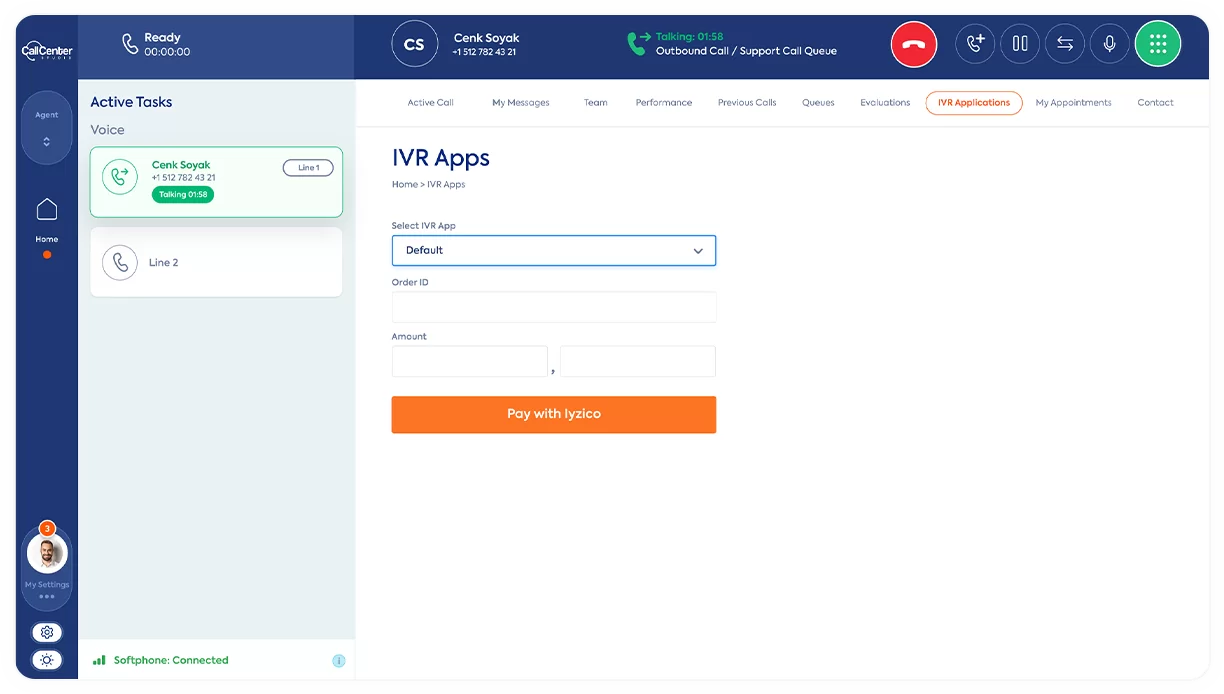
In the past, changing a routing rule or updating an IVR greeting required a support ticket and days of waiting. In a modern business environment, this lack of agility is a liability.
A top-tier cloud ACD system empowers managers to adapt routing logic instantly through a user-friendly interface. Whether it is reassigning agents to handle a sudden spike in delivery inquiries or updating chatbot scripts to address a common technical issue, the process should be intuitive.
Call Center Studio’s cloud-native architecture allows for this level of flexibility, enabling teams to scale operations and modify workflows without infrastructure complexity or long-term commitments.
4. Native Omnichannel Support
In 2025 and beyond, the “call” center is a misnomer. Customers, particularly Gen Z, expect instant and interactive experiences across social media, SMS, and live chat. A modern ACD must be an omnichannel ACD, capable of distributing tasks from various digital channels with the same logic used for voice calls.
Native omnichannel support ensures that:
- Agents aren’t wasting time switching between different tabs or platforms to manage different channels.
- Data is synchronized across the CRM, so an agent taking a chat has the same context as an agent taking a follow-up call.
- The system can handle “cross-channel saturation,” ensuring that peak season message floods don’t break the customer journey.
5. Built-in Real-Time Analytics and Forecasting
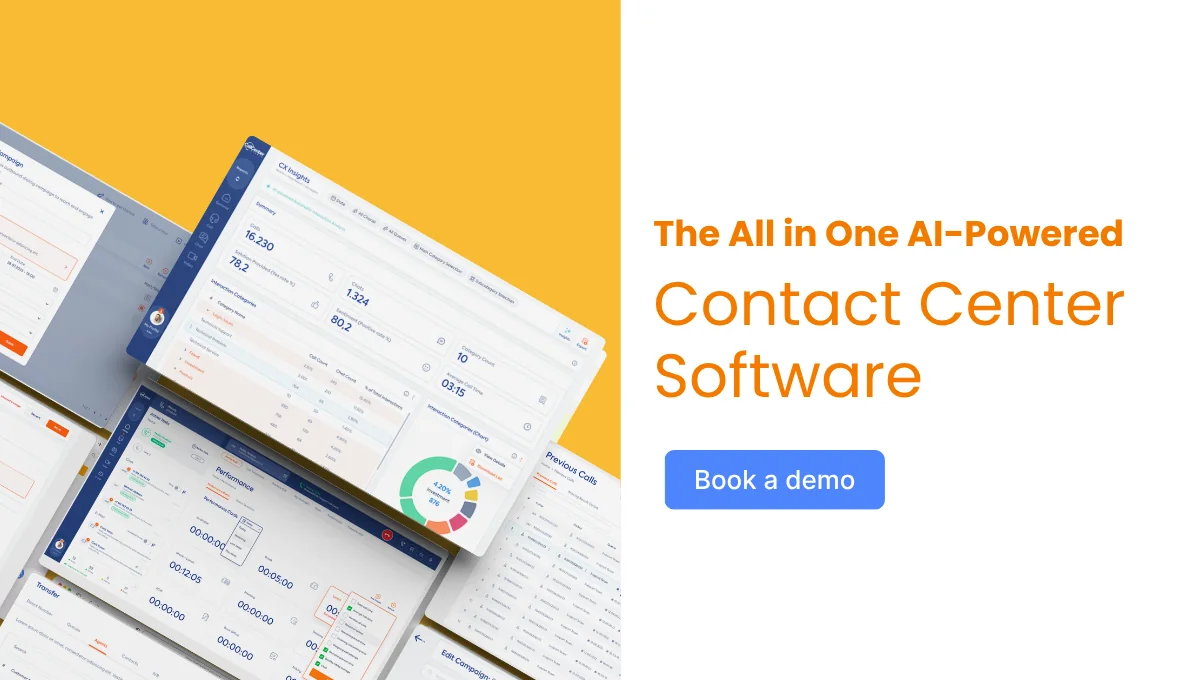
Data is the command center of the modern contact center. Beyond simple volume tracking, your next ACD should offer advanced ACD analytics that include sentiment analysis and predictive forecasting.
Predictive tools analyze traffic history and current trends to tell you exactly when your next spike will occur.
This allows for proactive staffing hiring or scheduling more agents for a specific 6 p.m. window based on last year’s data rather than reactive scrambling.
Furthermore, by isolating granular data, such as high variance in First Response Time (FRT) between agents, managers can move from generic training to laser-focused, personalized coaching.
Conclusion: Driving True Experience Optimization
Choosing a cloud ACD is a strategic decision that impacts every facet of your business, from agent retention to customer loyalty.
By prioritizing intelligent routing, real-time visibility, and omnichannel flexibility, you move away from simply “keeping score” and toward driving true customer experience optimization.
Call Center Studio provides a comprehensive, cloud-native ACD solution that checks all these boxes. From reducing waiting times by 48% for healthcare providers to increasing sales by 32% for enterprise clients, our platform is built for the complexity of the modern market.
Ready to see these features in action?
Schedule a personalized walkthrough with our team today and discover how fast you can transform your contact center performance.