

As we move through 2026, the most successful contact centers are those that:
- Embrace data-driven decision-making,
- Tracking the right metrics to optimize operations,
- Enhance agent efficiency, and
- Deliver exceptional customer experiences.
But with dozens of potential KPIs to monitor, which metrics truly matter?
This comprehensive guide explores the essential call center KPIs every operation should track in 2026, and how modern AI-powered contact center platforms are making it easier than ever to measure, analyze, and act on performance data in real-time.
First Contact Resolution (FCR): The Ultimate Efficiency Indicator
First Contact Resolution remains the gold standard of call center metrics. FCR measures the percentage of customer issues resolved during the initial interaction, without requiring follow-up calls or escalations.
In 2026, with customers expecting instant solutions, FCR directly correlates with both customer satisfaction and operational costs.
A high FCR rate means fewer repeat calls, reduced operational expenses, and happier customers. Industry benchmarks suggest aiming for 70-75% FCR, though top-performing centers achieve rates above 80%.
Track FCR across different issue types, channels, and agent skill levels to identify training opportunities and process improvements.
Leveraging AI-Powered Analytics for Operational Success
The real challenge about metrics is transforming that data into actionable insights.
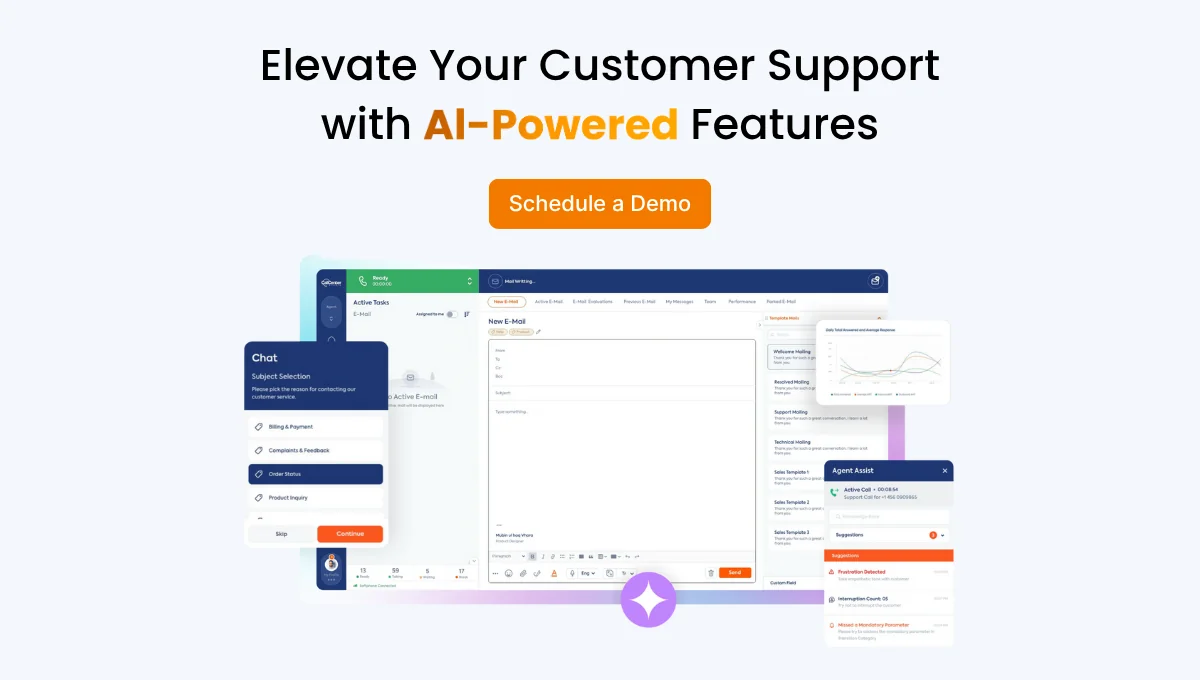
That is why you need AI-powered CX Insights that automatically:
- identifies trends,
- predicts future performance issues, and
- recommends specific interventions.
More than that, real-time dashboards give managers instant visibility into all essential call center KPIs, enabling proactive management rather than reactive firefighting.
Last but not least, machine learning algorithms can predict call volume spikes, identify agents who might need coaching, and even suggest optimal break scheduling to maintain performance throughout shifts.
Artificial intelligence is the main tool for transforming call center metrics 2026 from simple reporting tools into strategic assets driving continuous improvement.
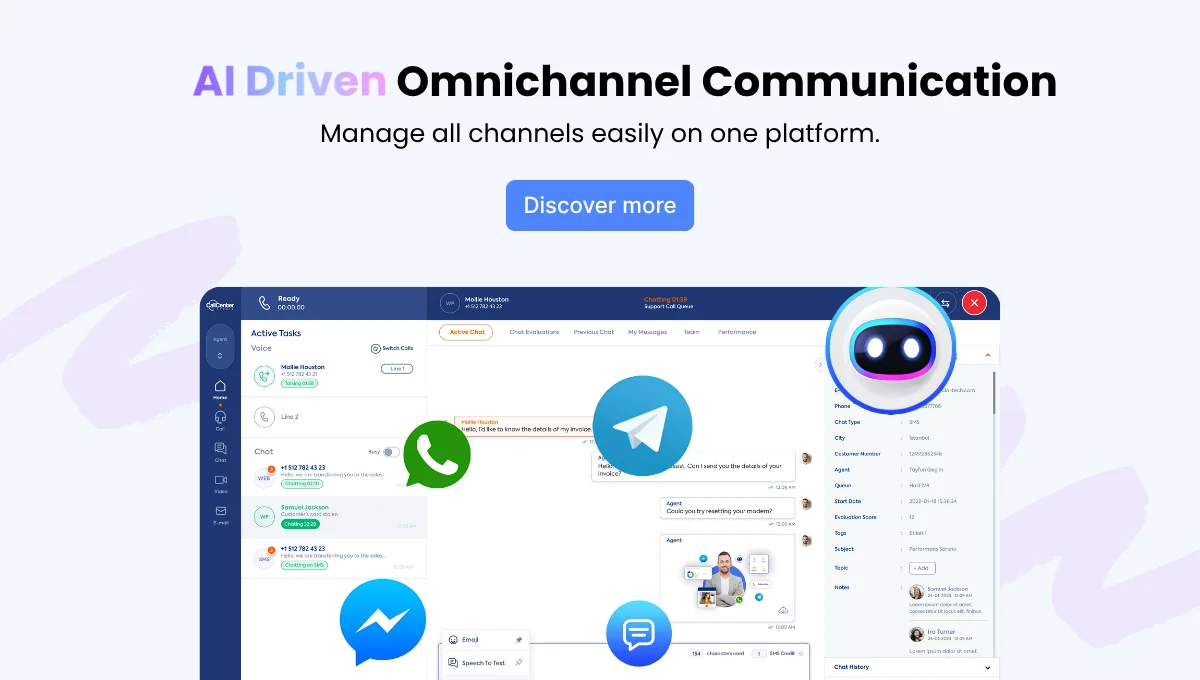
Omnichannel Engagement: Meeting Customers Where They Are
In 2026, customers expect seamless experiences across all channels. Track metrics like:
- Channel preference: Which channels customers choose most often (voice, chat, email, social) for different types of requests.
- Cross-channel journey paths: The sequence of channels customers use to resolve an issue, such as starting on chat and finishing on a call.
- Channel-specific satisfaction scores: Customer satisfaction measured separately for each channel to understand where experiences are strong or breaking down.
Understanding which channels customers prefer for different inquiry types helps you allocate resources effectively.
Average Handle Time (AHT): Balancing Speed and Quality
Average Handle Time measures the total duration of a customer interaction, including talk time, hold time, and after-call work.
While the shorter AHT might seem ideal from an efficiency perspective, the metric requires nuanced interpretation in 2026.
The goal isn’t simply to rush customers off the phone, it’s to resolve issues efficiently without sacrificing quality.
Monitor AHT alongside FCR and customer satisfaction to ensure speed improvements don’t come at the expense of resolution quality. Segment AHT by inquiry type, as complex technical issues naturally require longer handling than simple account updates.
Resolution Time: The Complete Picture
While AHT focuses on individual interactions, resolution time tracks the total time from when a customer first contacts you until their issue is completely resolved (even if it spans multiple interactions or channels).
This metric is crucial in omnichannel environments where customers might start on chat, follow up via email, and call for final resolution.
Resolution time reveals inefficiencies in your processes and handoffs between channels or departments. Reducing resolution time typically requires breaking down organizational silos and implementing unified customer data platforms that give every agent complete context.
Call Abandonment Rate: The Cost of Long Waits
Call abandonment rate tracks the percentage of callers who hang up before reaching an agent.
In today’s instant-gratification world, patience is increasingly scarce. High abandonment rates signal that your queue management needs attention whether through better staffing, improved IVR routing, or callback options.
Industry standards suggest keeping abandonment below 5-8%, though this varies by industry.
🎯 Call Center Studio’s intelligent features help minimize abandonment through smart routing, real-time wait time estimates, and automated callback offerings that respect customer time.
Agent Utilization: Maximizing Your Team’s Potential
Agent utilization measures the percentage of time agents spend on productive call-related activities versus idle time.
While high utilization might seem desirable, pushing agents to 100% capacity leads to burnout and quality deterioration.
Optimal utilization typically falls between 75-85%, allowing agents time to complete after-call work, attend coaching sessions, and take necessary breaks.
Monitor utilization patterns to identify scheduling inefficiencies and ensure appropriate staffing levels during peak periods.
Customer Satisfaction (CSAT) and Net Promoter Score (NPS)
Customer satisfaction scores and NPS provide direct feedback on the customer experience. CSAT typically asks customers to rate their satisfaction immediately after an interaction, while NPS measures overall brand loyalty by asking how likely customers are to recommend your company.
In 2026, these metrics have evolved beyond simple surveys. AI-powered CX Insights can analyze interaction sentiment, tone, and outcomes to predict satisfaction even without explicit surveys.
Sentiment Analysis: Understanding the Emotional Journey
Traditional metrics tell you what happened, but sentiment analysis reveals how customers feel about their experience.
Advanced AI algorithms analyze voice tone, word choice, and conversation patterns to detect
- frustration,
- satisfaction,
- confusion, or
- delight in real-time.
This emotional intelligence allows supervisors to intervene during negative interactions, identify agents who excel at de-escalation, and uncover systemic issues causing customer frustration.
At the end, what sentiment analysis does is to transform subjective customer emotions into actionable data that drives continuous improvement.
Aligning Metrics with Strategic Goals
The most important consideration when tracking call center metrics is alignment with broader business objectives.
- If your company prioritizes customer loyalty, weigh FCR and NPS heavily.
- If operational efficiency is paramount, focus on AHT and agent utilization.
The key is ensuring everyone understands not just what you’re measuring, but why it matters.
By tracking these essential call center KPIs and leveraging modern AI-powered contact center platforms, you’ll gain the insights needed to optimize performance, enhance customer experiences, and future-proof your operations for whatever 2026 and beyond may bring.
Ready to transform your contact center with data-driven insights?
🎯Call Center Studio’s AI-powered CX Insights delivers real-time dashboards tracking every essential KPI from FCR to sentiment analysis.
Schedule a personalized demo today and discover how leading contact centers optimize performance and exceed customer expectations.