

Welcome to the glamorous world of the BPO sector, where the air is filtered, the coffee is questionable, and your primary relationship is with a flickering LCD screen. We call it “Digital Fatigue”
Suppose you’ve ever found yourself trying to “swipe left” on a physical piece of paper or attempting to mute your spouse in real life, congratulations! You’re not losing your mind; you’re just experiencing the peak of agent mental well-being.
Identifying Digital Fatigue in High-Pressure Environments
Digital fatigue in a contact center is more than just eye strain. It is the mental exhaustion from constant use of digital tools and the emotional labor required to maintain a “customer-first” attitude.
In high-pressure environments, agents are often tethered to their headsets for eight hours a day, processing complex data while managing human emotions.
Contact center burnout often manifests as:
- Increased irritability during customer interactions.
- Reduced empathy (compassion fatigue).
- Cognitive fog and slower response times.
- Physical symptoms like “tech neck” or chronic headaches.
Recognizing these signs early is the first step toward reclaiming mental well-being.

The Science of Screen Exhaustion: Why Back-to-Back Calls Drain Energy
Why does an eight-hour shift behind a screen feel more draining than physical labor? The answer lies in how our brains process digital information.
1. Cognitive Load and “Always-On” Monitoring
Unlike face-to-face communication, digital interactions strip away many non-verbal cues. Agents must work harder to interpret tone and intent through a headset or a chat box. This constant “decoding” increases the cognitive load, leading to rapid mental depletion.
- Pro-Tip for Survival: Sometimes, the fatigue isn’t just from the screen, it’s from the person on the other end of the line screaming about a late delivery. Since you can’t hang up (sadly), you might as well learn how to handle an irate customer in 5 easy steps. It might not fix your screen fatigue, but it might stop your blood pressure from reaching atmospheric levels.
2. The Blue Light Factor
Continuous exposure to High-Energy Visible (HEV) blue light from monitors suppresses melatonin production and keeps the nervous system in a state of high alert. This prevents the brain from entering a restive state, even during short intervals between calls.
3. The Lack of “Transition Time”
In a traditional office, walking to a meeting provides a mental reset. In a digital environment, switching from a frustrated customer to a high-stakes troubleshooting ticket happens in a single click. This lack of transition prevents the brain from “closing” one stress loop before opening another.
Practical Tips: Reclaiming Your Mental Space
Fortunately, managing an agent’s mental well-being doesn’t require expensive retreats. It starts with small, intentional habits.
1. The 20-20-20 Rule
Every 20 minutes, look at something 20 feet away for 20 seconds to deal with screen fatigue. Ideally, look at something that isn’t a screen. A wall? A plant? That pile of laundry you’ve been ignoring? It’s a thrilling vacation for your eyeballs. Just try not to look so long that your Team Lead thinks you’ve transcended to a different dimension.
2. Mastering Micro-Breaks
A micro-break is a 30-to-60-second window where you disconnect entirely.
- Step away: Stand up and stretch between calls.
- Deep breathing: Use a simple box-breathing technique (inhale for 4, hold for 4, exhale for 4) to deactivate the “fight or flight” response triggered by a difficult customer.
3. Setting Digital Boundaries
Remote work stress often stems from the blurring of home and office. If you work from home, create a “digital sunset.” Once your shift ends, close the laptop, put your headset out of sight, and silence work-related notifications. Physically leaving the “work zone” helps signal to your brain that the period of high alert is over.
4. The “Digital Detox” Hour
Commit to one hour after work where you do not look at any screens—no smartphones, no TV, no tablets. Engaging in a tactile hobby, such as cooking, reading a physical book, or walking, helps ground your senses back in the physical world.
- Personal well-being is not a one-time event but a continuous commitment to yourself. You can explore these daily mental health routines to find simple yet effective ways to stay grounded throughout your workday.
Creating a Supportive Culture: The Role of Leadership
Team leads, we know you love your metrics. But turns out, agents are actually organic beings, not NPCs in a simulation. Using agent coaching tools effectively to actually help someone instead of just highlighting their “dead air” time is a wild concept, but it might just work.
How Team Leads Can Help:
- Normalize Mental Health Days: Encourage agents to take time off before they hit a breaking point.
- Encourage Peer Support: Create “camera-off” coffee chats where agents can vent and share experiences without the pressure of a professional presentation.
- Check-ins over Check-ups: Try asking an agent how they are without mentioning their AHT (Average Handle Time). It’ll be awkward for everyone, but it builds employee engagement.
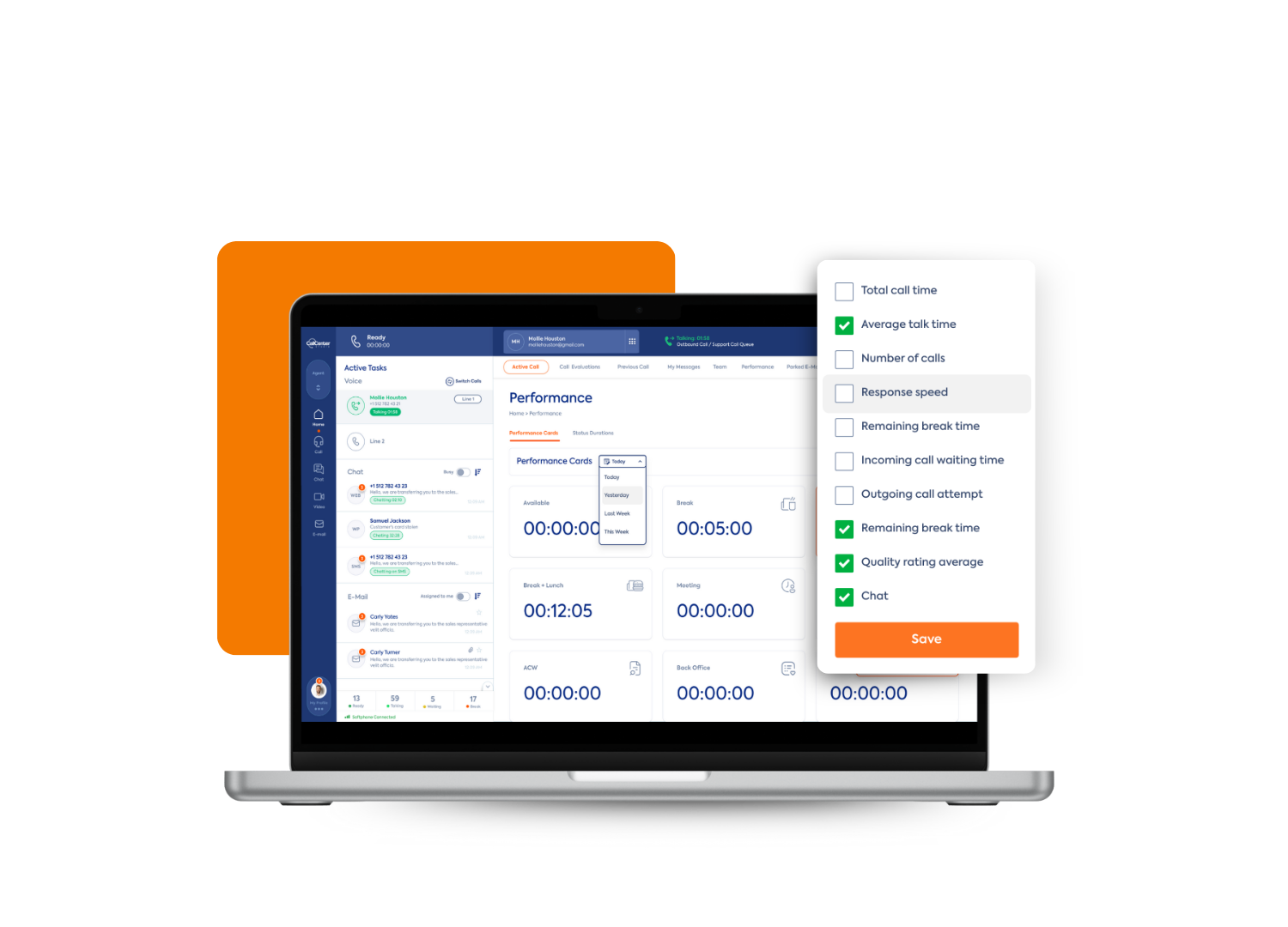
Call Center Studio Agent Coaching
Modern tools like call center studio agent coaching platforms should be used not just for quality assurance, but for empathy. Leaders can use data to identify patterns—such as a sudden spike in average handle time—that might indicate an agent is struggling with fatigue rather than a lack of skill.
Conclusion: Sustaining the Human Element
At the end of the day, digital fatigue is just a sign that you are a human being stuck in a world of 1s and 0s.
The BPO sector will always be fast-paced, but it doesn’t have to be draining. By acknowledging the reality of digital fatigue and implementing low-cost, actionable strategies like the 20-20-20 rule and better employee engagement practices, we can protect our most valuable asset: the agent.
Remember: your headset doesn’t define you. Your choice of background wallpaper does. Stay hydrated, keep staring at that wall every 20 minutes, and try to remember what the sun looks like. Happy dialing!